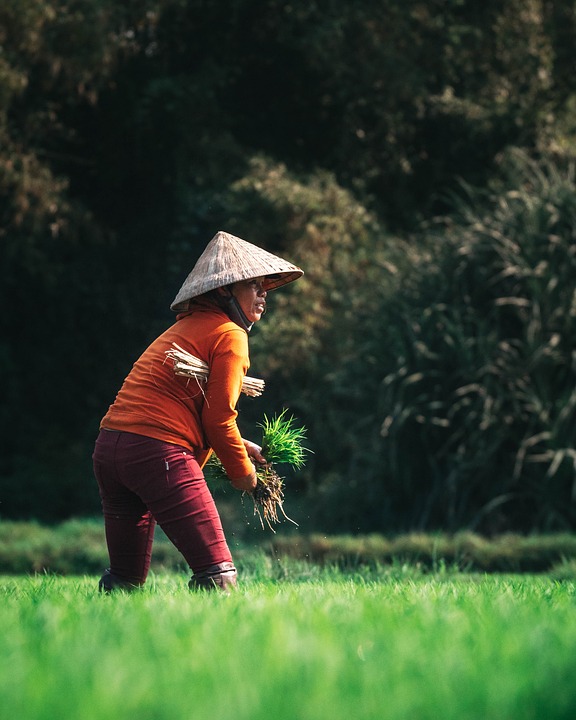
Our Collection Process
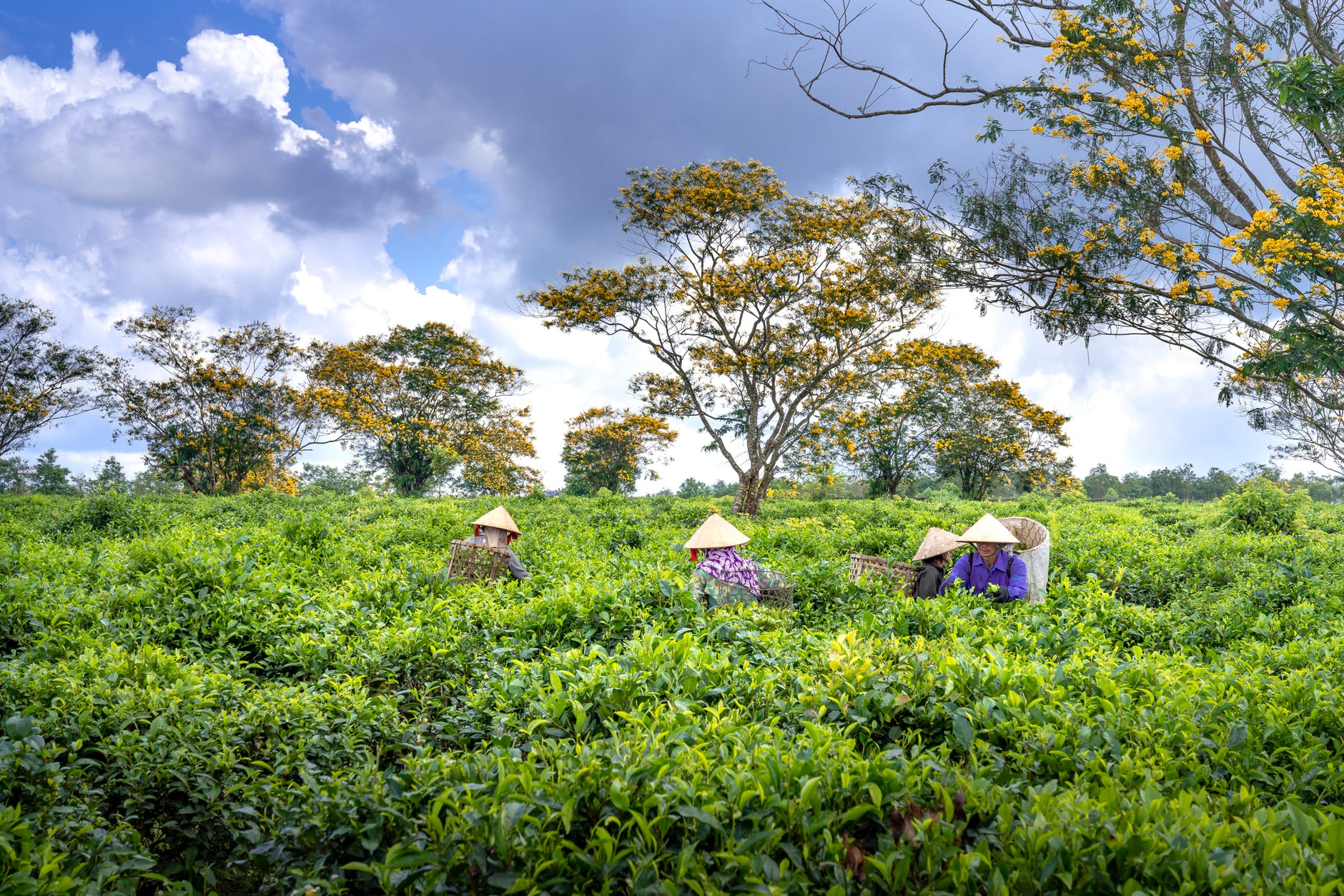
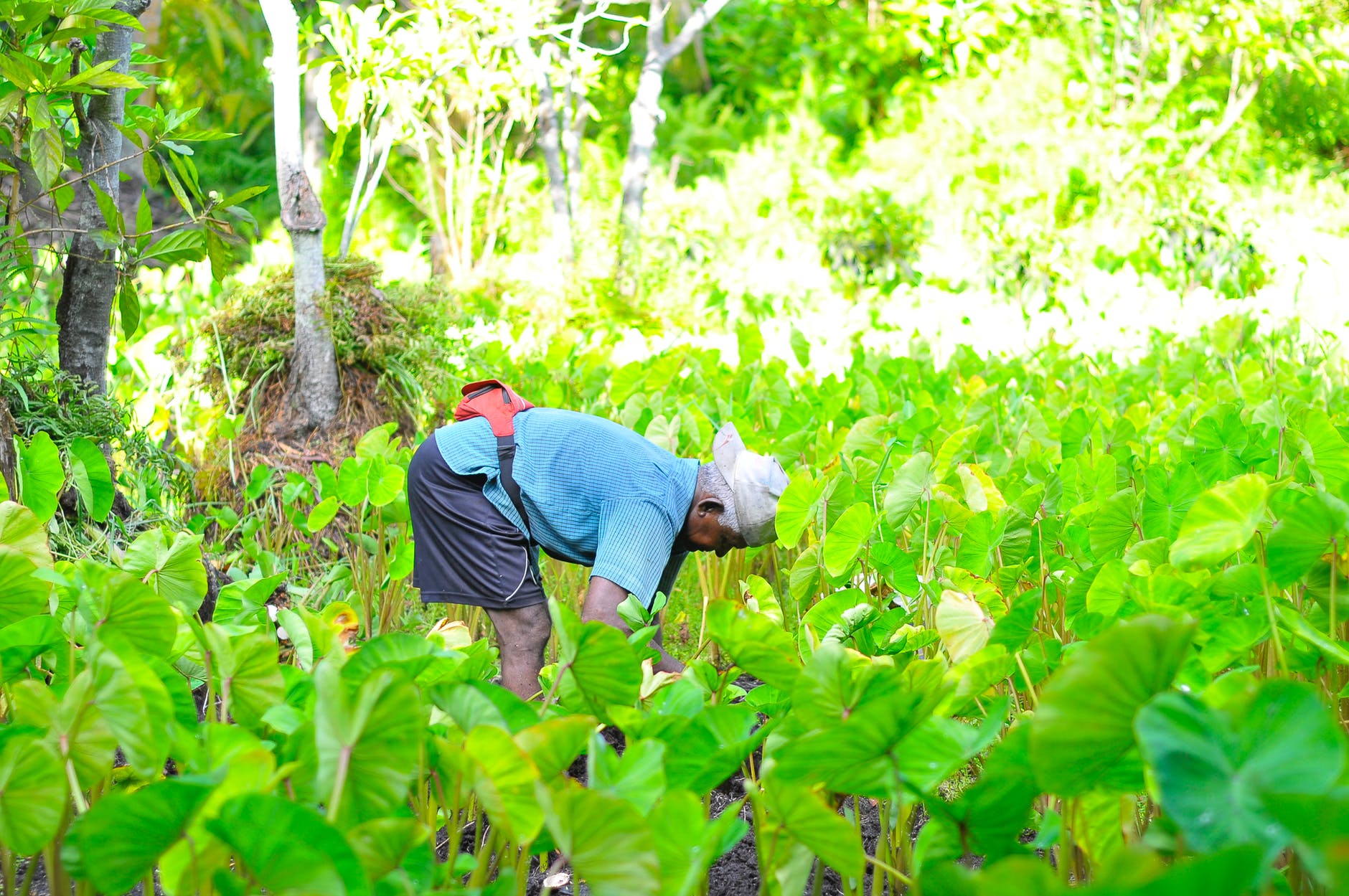
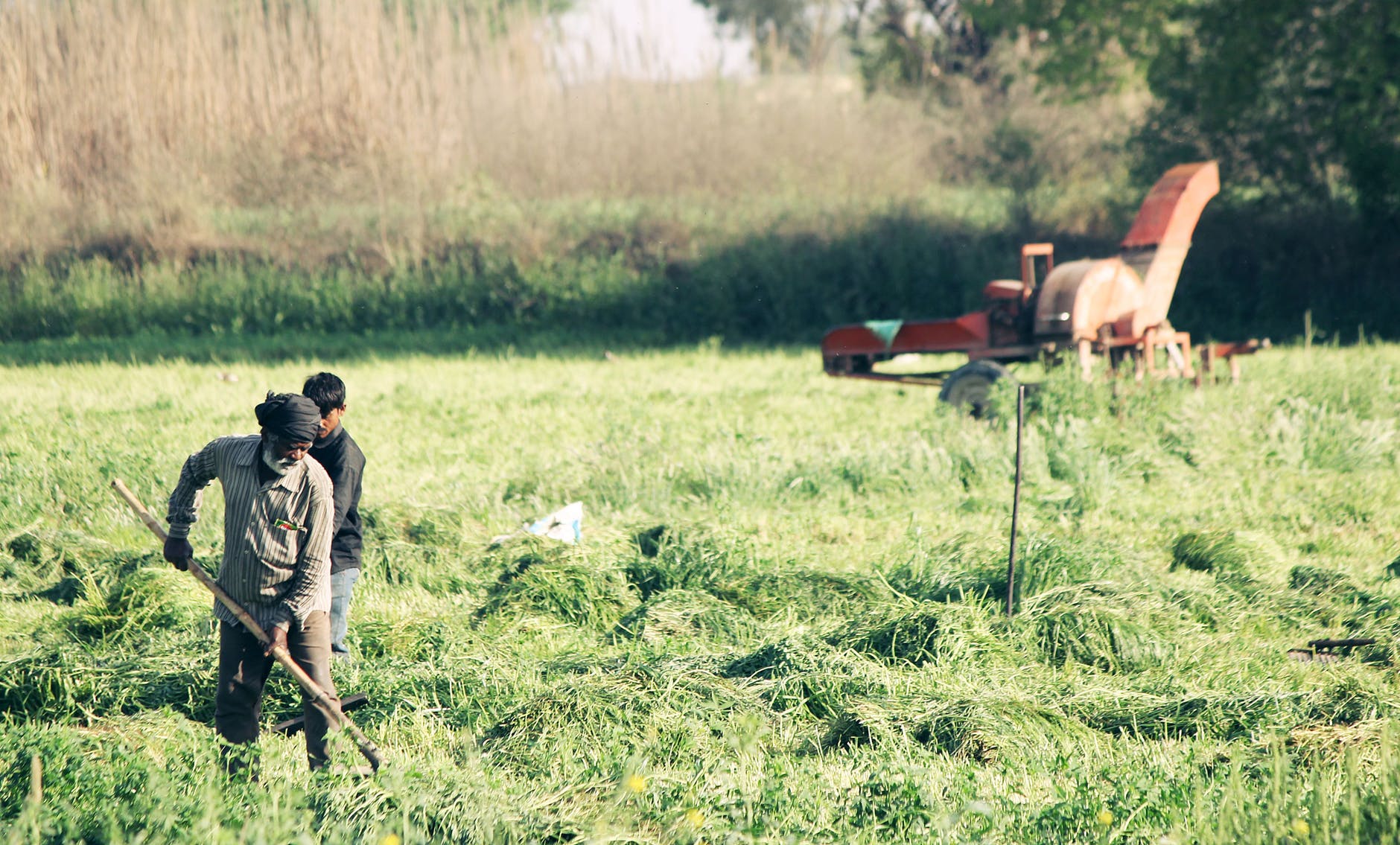
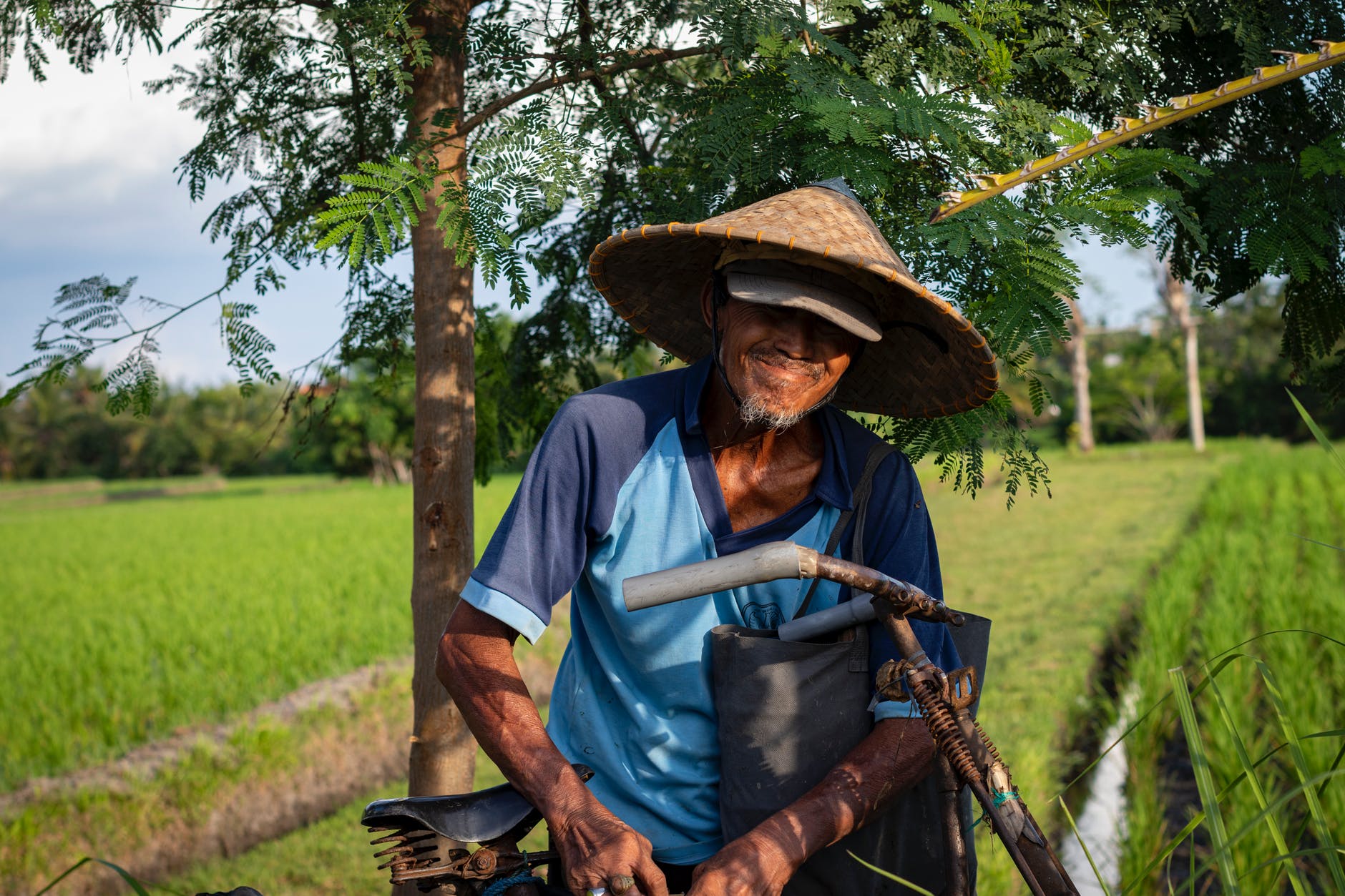
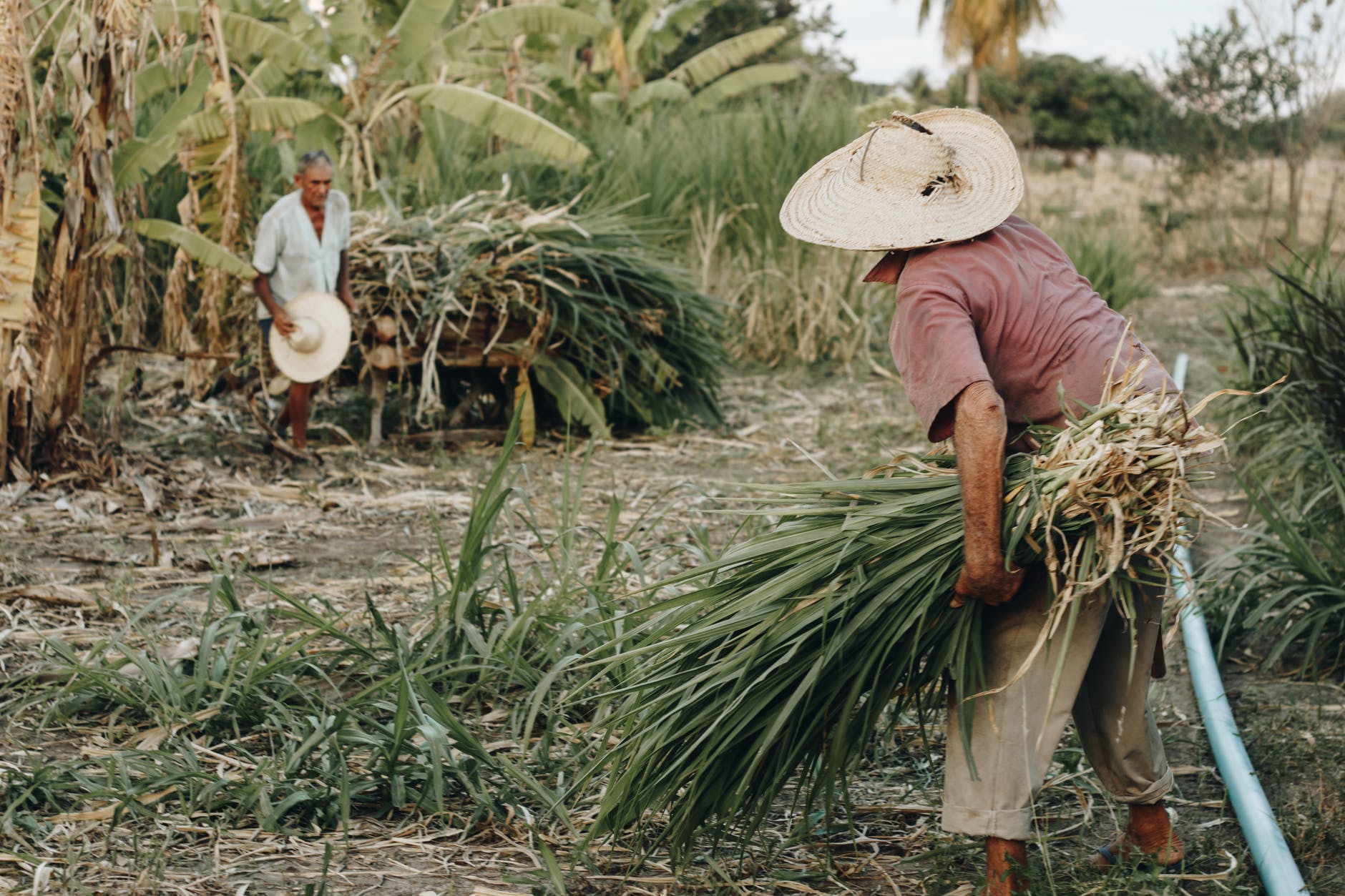
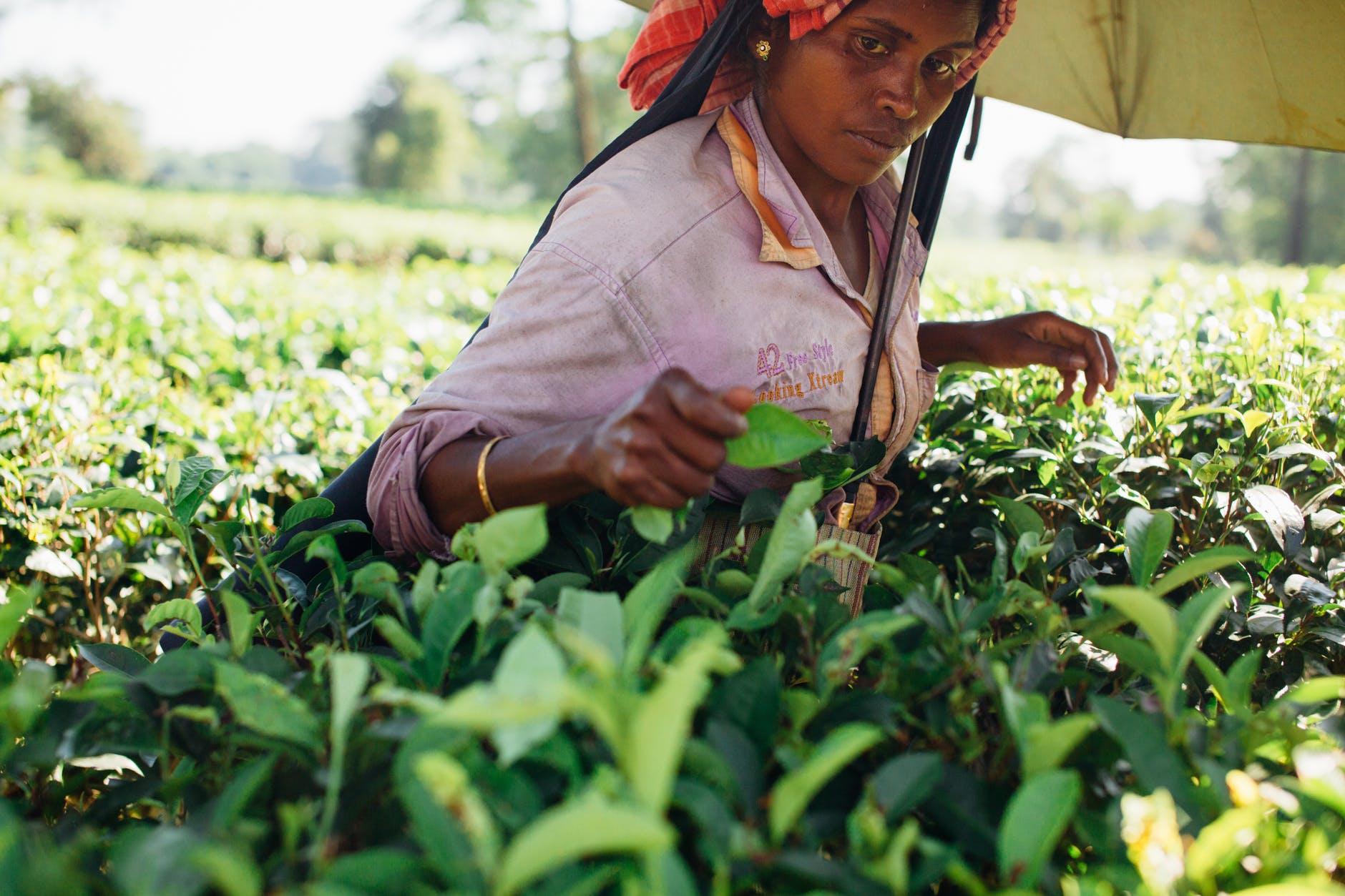
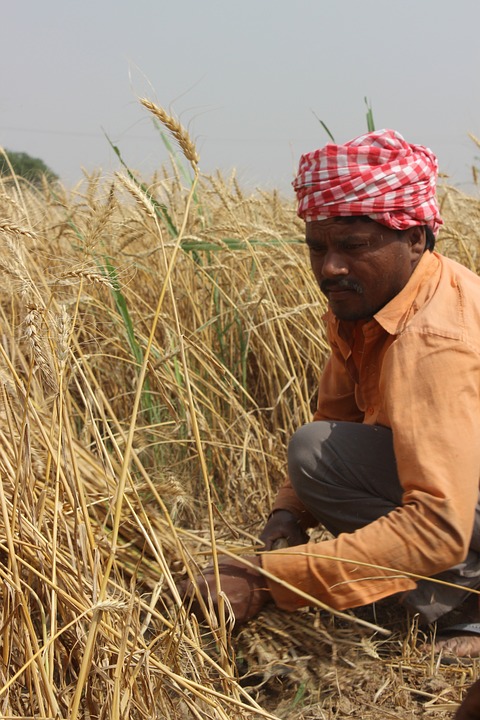
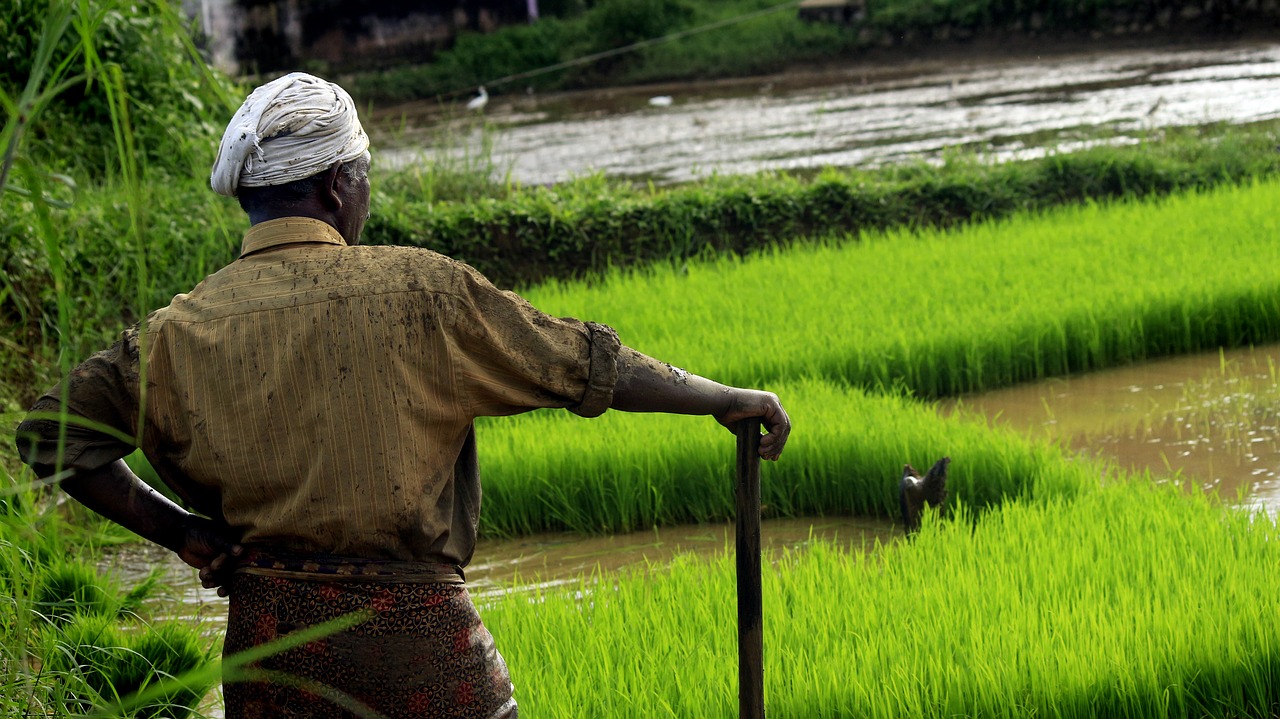
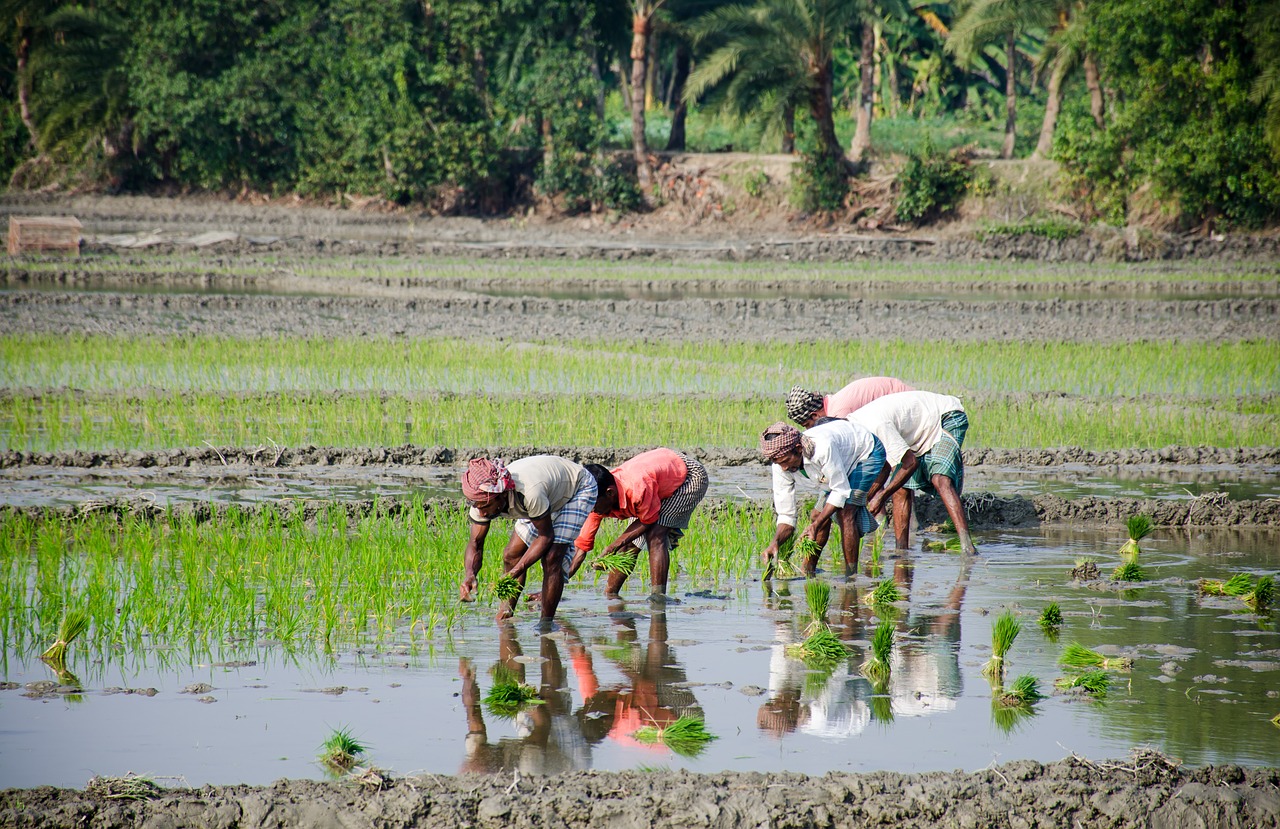
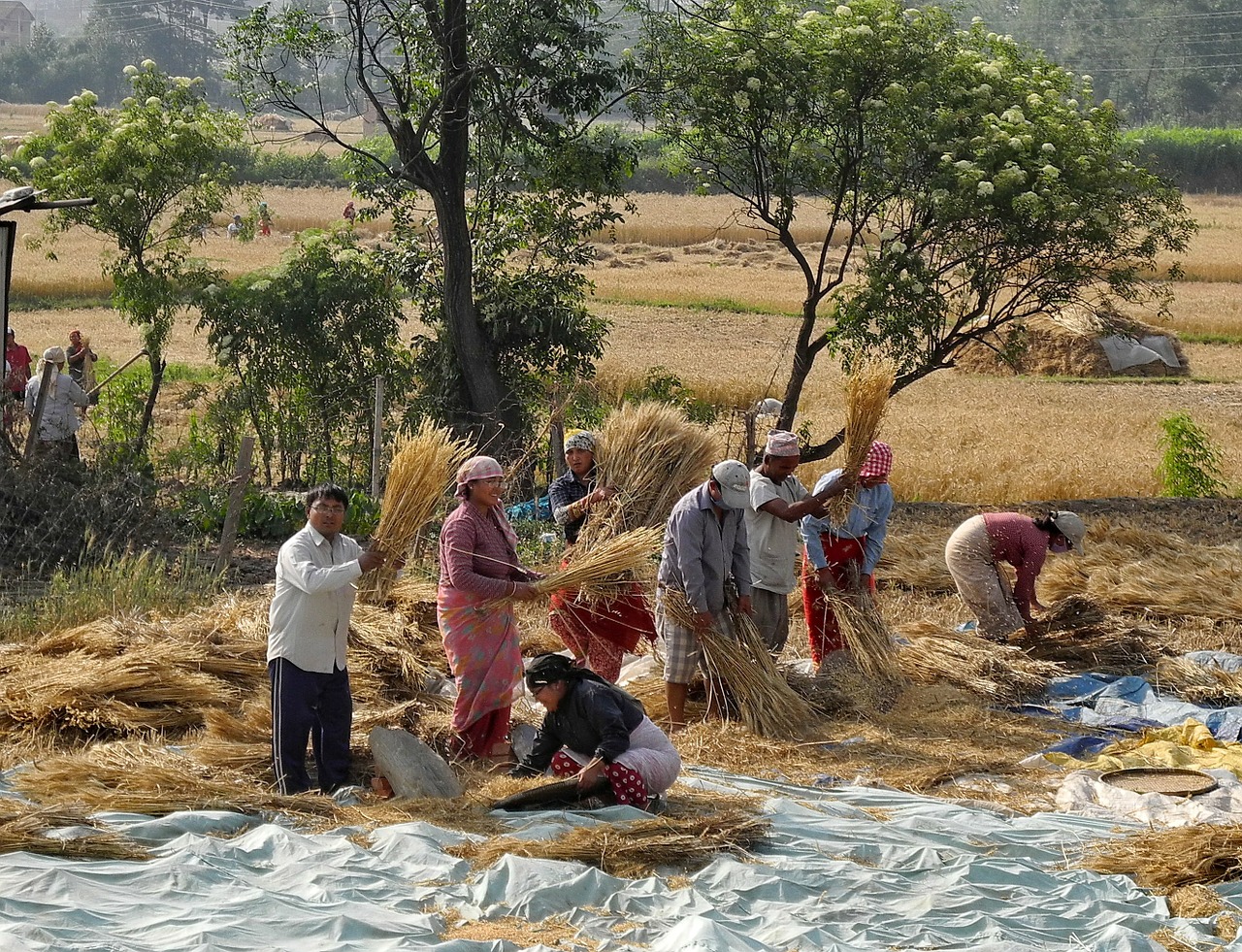
Local villagers collect vegetables and fruits in quantities that do not adversely affect the bio-system, to keep the harvest eco-friendly.
Organic foods are minimally processed without artificial ingredients or synthetic preservatives to maintain the integrity of the product that began with practices on the farm.
A very important part of the process-based regulatory framework is the prohibition of certain methods in organic production and handling. Methods like irradiation, sewage sludge, and genetic engineering are all expressly prohibited from being used when growing or processing organic foods.
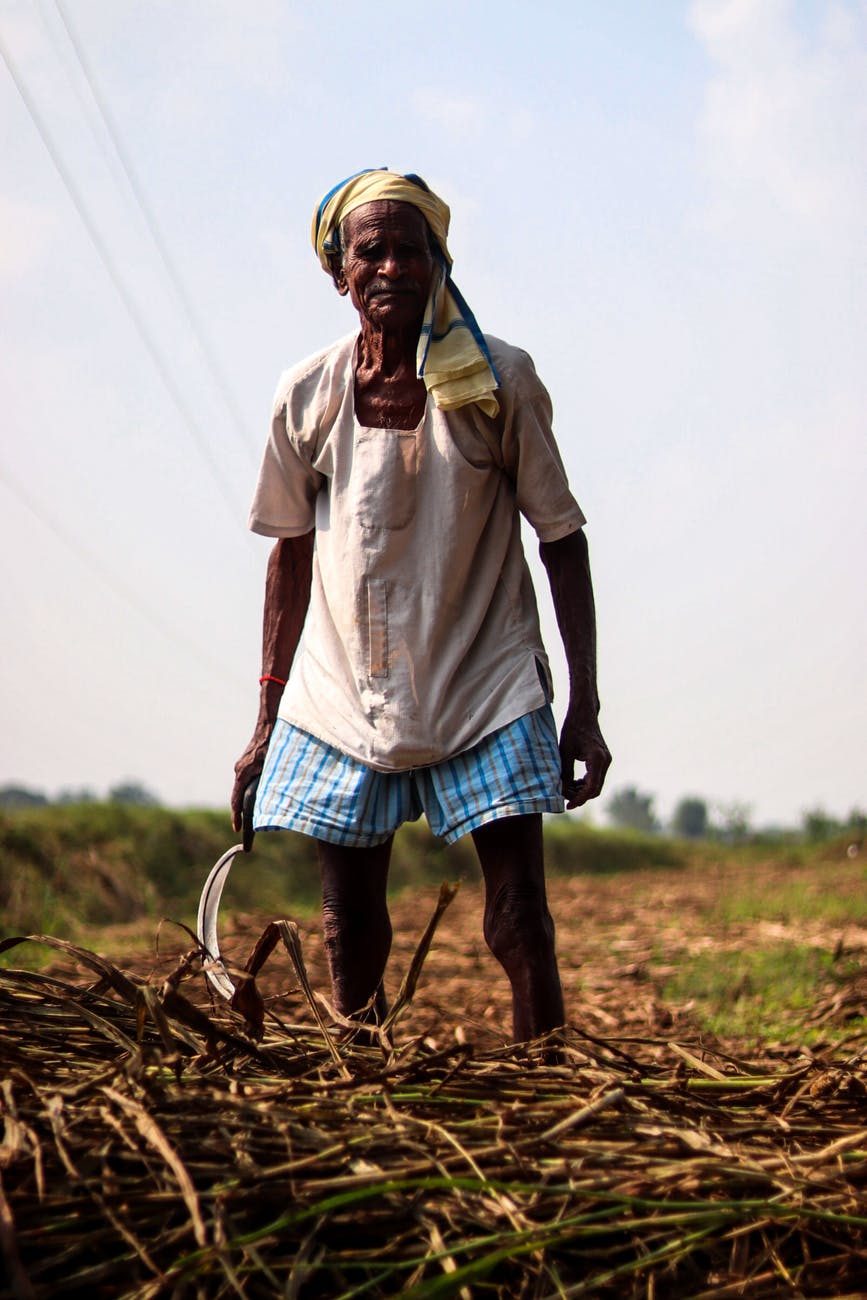
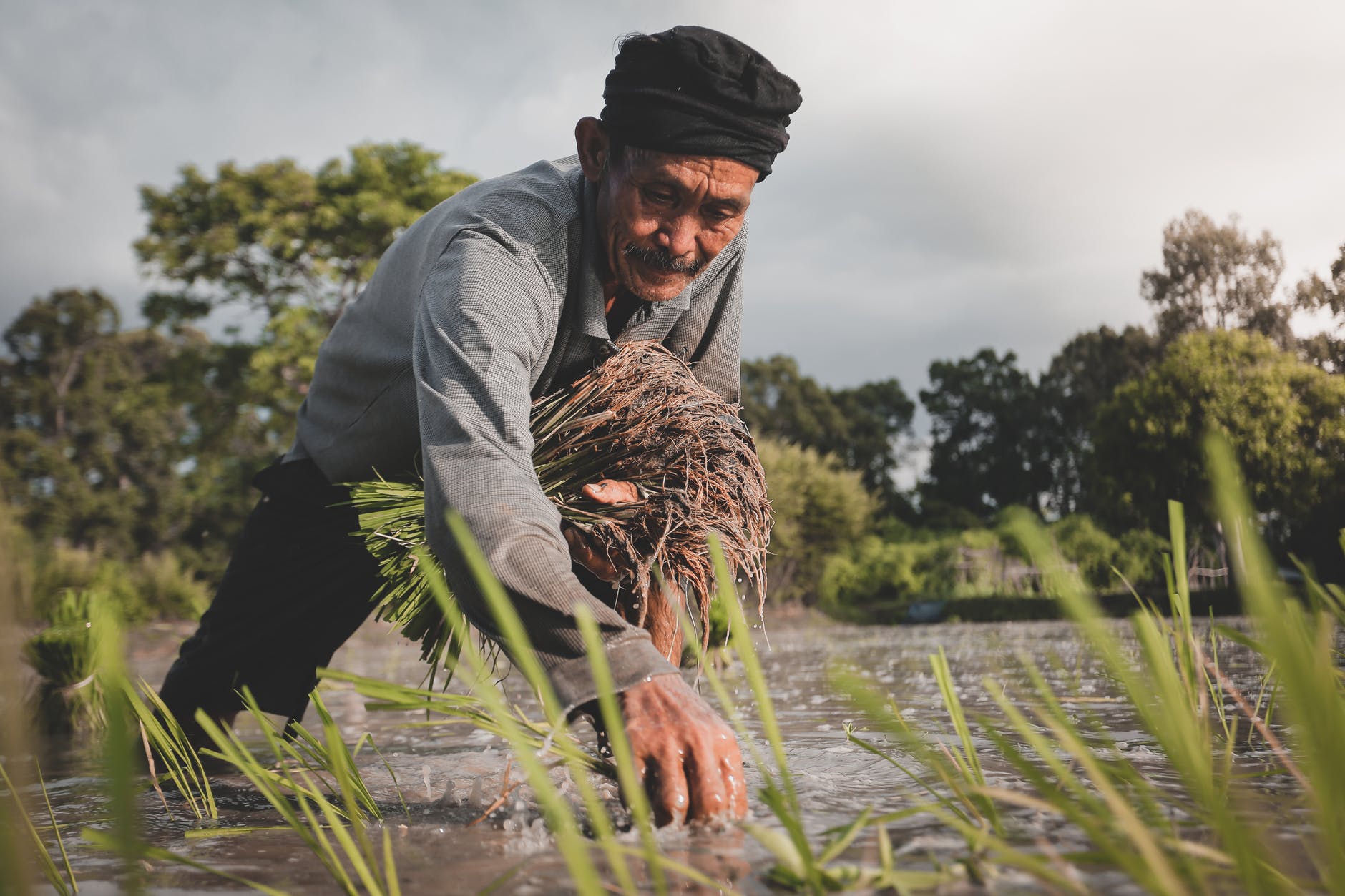
We provide assistance to farmer by sending our representative to their home for collection and we pay on-spot to the famer. This help him get the money up front compensating him for his hard work in organic collection.
We are already present in major district Centers in India and soon enough we will be present all over Asian countries to start with. We encourage villager to collect more information on Organic food industry and provide technical support for better processing. In some cases, we provide financial support to economically distressed farmer to improve their living condition.