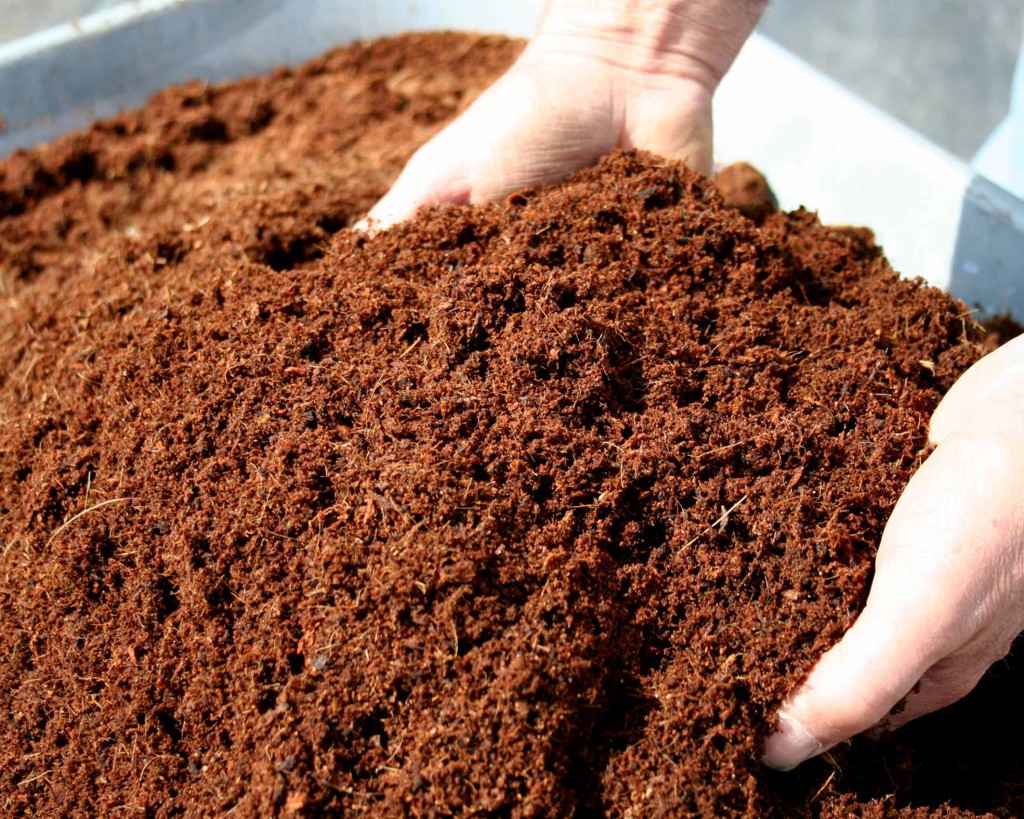
Compost Fertilizer
Compost is rich in nutrients. It is used, for example,organic farming. The compost itself is beneficial for the land in many ways, including as a soil conditioner, and as a natural pesticide for soil. In ecosystems, compost is useful for erosion control. Compost can be used as an additive to soil, supplying humus and nutrients. It provides a rich growing medium as absorbent material which provides support and nutrients.
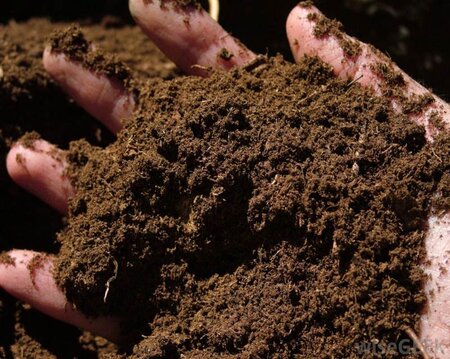
Manure Fertilizer
Manure is organic matter that is used as organic fertilizer in agriculture. Most manure consists of animal feces; other sources include compost and green manure. Manures contribute to the fertility of soil by adding organic matter and nutrients, such as nitrogen, that are utilised by bacteria, fungi and other organisms in the soil. Higher organisms then feed on the fungi and bacteria in a chain of life that comprises the soil food web. Manure is the decomposed remnants of organic materials.